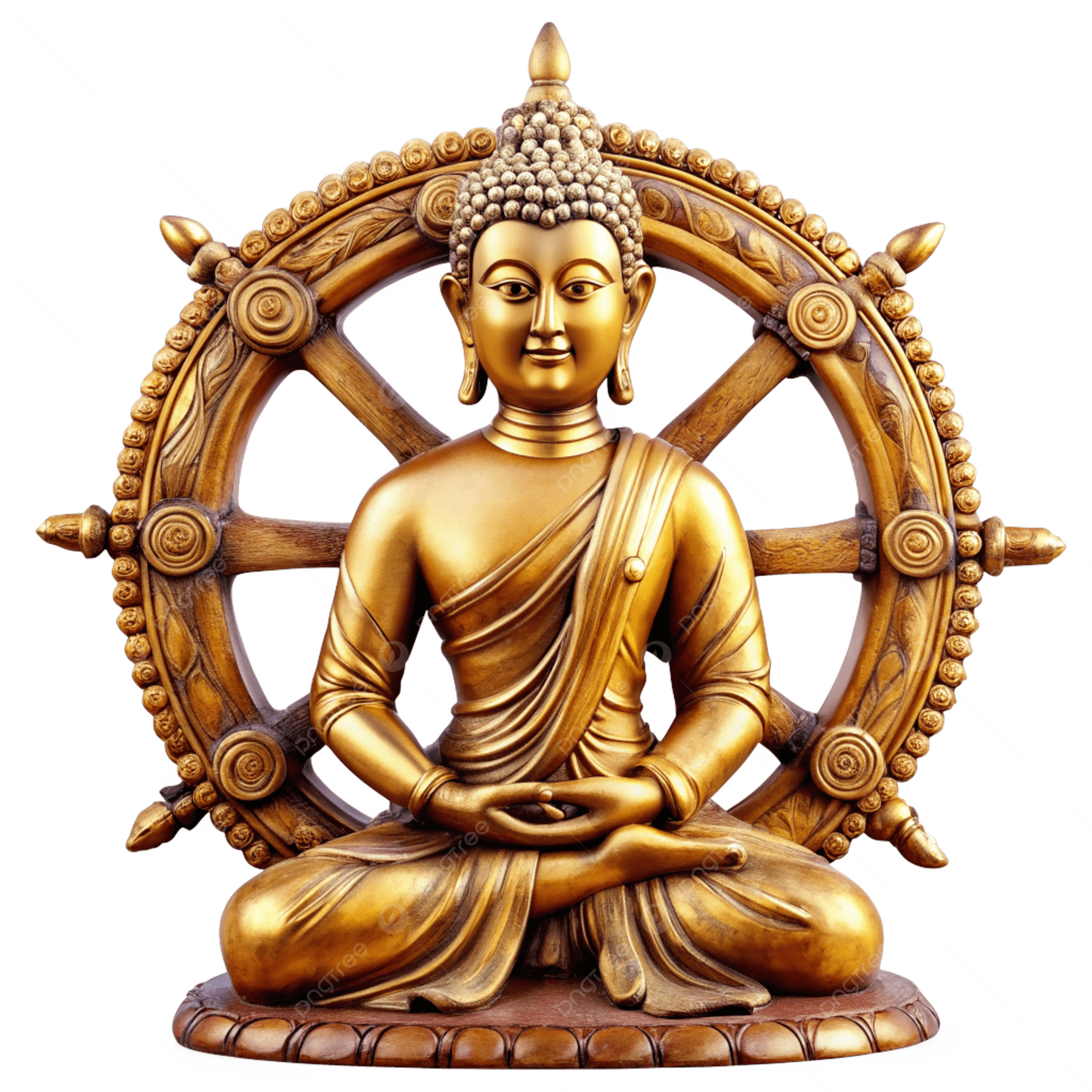
balance
Language: EN · Kind: word · Transcription: [/ˈbæləns/]
Show answer
Senses
1. balance (noun) — sense 1
Definition: A state in which opposing forces harmonise; equilibrium.
Example: But civilized man is quite a different animal, and when he wipes out an entire city or levels a forest, he is no longer working within the natural balance of things.
Concept: Равновесие
2. balance (noun) — sense 2
Definition: Mental equilibrium; mental health; calmness, a state of remaining clear-headed and unperturbed.
3. balance (noun) — sense 3
Definition: Something of equal weight used to provide equilibrium; counterweight.
Example: These weights are used as a balance for the overhanging verandah.
4. balance (verb) — sense 4
Definition: To bring (items) to an equipoise, as the scales of a balance by adjusting the weights.
5. balance (verb) — sense 5
Definition: To bring (items) to an equipoise, as the scales of a balance by adjusting the weights.: To move while remaining balanced on a narrow or precarious support (e.g., a wire, ledge or rope).
Example: She balanced along the wire while the crowd watched in rapt attention.
6. balance (verb) — sense 6
Definition: To make (concepts) agree.
Example: the Proteus Principle helps to qualify and balance the concepts of narrators and of narrative situations as previously developed in classical studies by G erard Genette and Franz Stanzel.
Connections
Polarities
Change ↔ Constancy — concept «Равновесие»
Growth ↔ Decline — concept «Равновесие»
Masculinity ↔ Femininity — concept «Равновесие»
Openness to change ↔ Conservation — concept «Равновесие»
Pleasure ↔ Suffering — concept «Равновесие»
Self-enhancement ↔ Self-transcendence — concept «Равновесие»
No relations.
Comments are not enabled for this type of record.
There is no text to translate.
Log in to see your statistics.