Religious school
| Title |
|---|
| Anglicanism Church of England and Anglican Communion: Catholic liturgical tradition with Protestant theology. |
| Baha'i Faith 19th-century religion (Baha'u'llah): unity of God, religions, and humanity. |
| Baptists 17th-century Protestant branch: baptism of conscious believers, independence of local communities. |
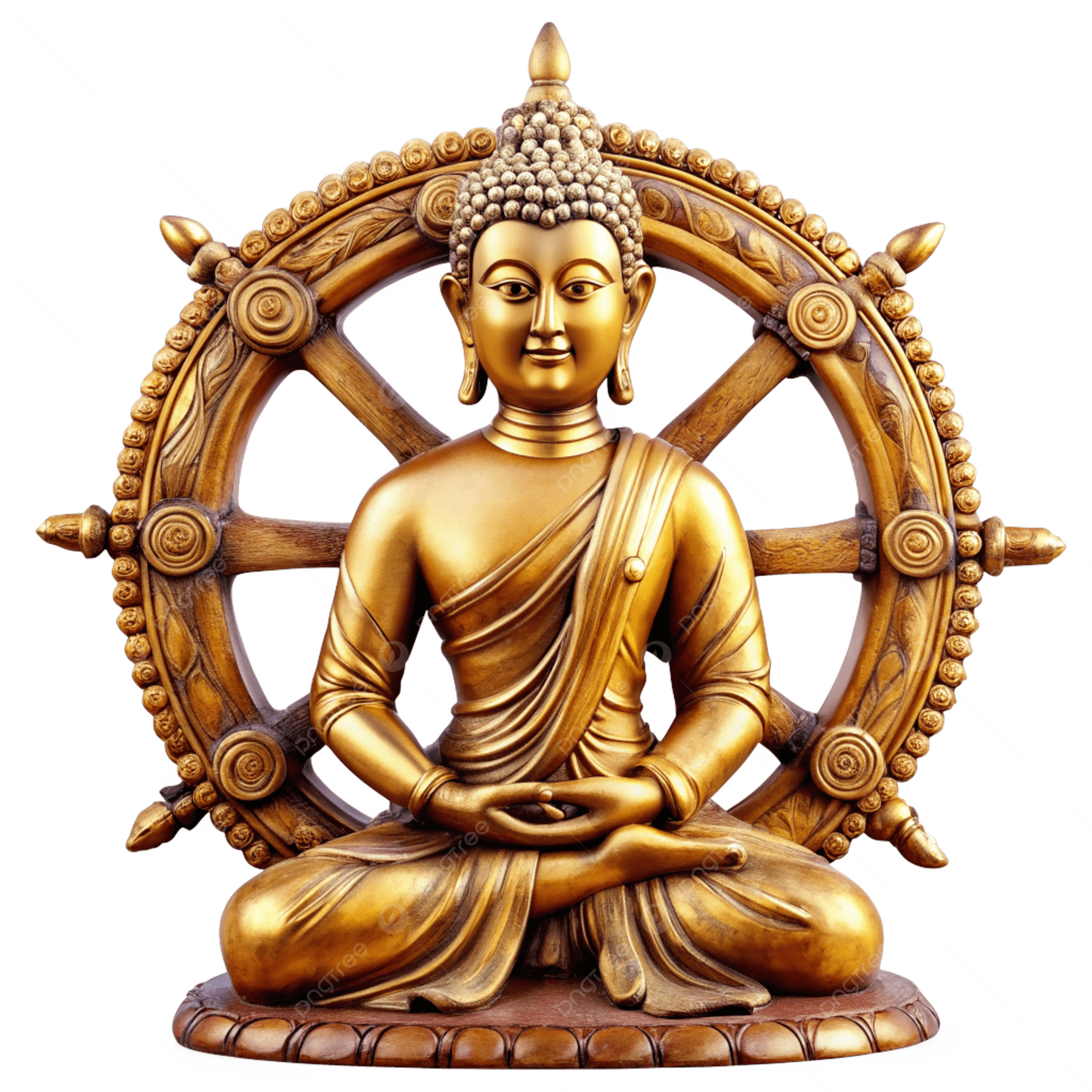
| Buddhism The teaching of Buddha Shakyamuni on the Four Noble Truths and the path to liberation from suffering. |
| Catholicism The largest Christian church: recognizes the supremacy of the Pope, seven sacraments, reliance on Scripture and Tradition. |
| Chinese folk religion Veneration of ancestors, deities, and spirits, syncretism with Buddhism and Taoism (a separate category in Pew surveys). |
| Christianity A monotheistic religion based on the life and teachings of Jesus Christ; the largest in the world by number of followers. |
| Conservative Judaism A movement that maintains adherence to Halakha, taking into account historical changes. |
| Eastern Orthodoxy Churches of the Byzantine tradition (Constantinople, Russian, etc.): liturgy, Nicene-Constantinopolitan Creed, rejection of papal supremacy. |
| Hinduism A collection of Indian traditions: Vedas, dharma, karma, rebirth (samsara), liberation (moksha). |
| Ibadism A moderate branch of Islam, tracing its origins to the Kharijites; prevalent mainly in Oman. |
| Islam Monotheistic religion: Quran and the example of the Prophet Muhammad, five pillars of faith. |
| Jainism Indian religion: ahimsa (non-violence), asceticism, liberation of the soul from karma. |
| Judaism Monotheistic religion of the Jewish people: Torah, Talmud, God's covenant with Israel. |
| Lutheranism A branch of the Reformation according to the teachings of Martin Luther: justification by faith, Augsburg Confession (1530). |
| Mahayana "Great Vehicle": bodhisattva ideal; China, Korea, Japan, Vietnam. |
| Oriental Orthodoxy Armenian, Coptic, Ethiopian, Syriac and other churches that did not accept the Council of Chalcedon (451). |
| Orthodox Judaism A movement that considers the Torah to be divinely given and requires strict observance of Halakha. |
| Pentecostalism 20th-century Protestant movement: baptism in the Holy Spirit and its gifts; one of the fastest-growing. |
| Protestantism Movements that emerged from the Reformation of the 16th century: “Scripture alone, faith alone, grace alone”, the universal priesthood of believers. |
| Reform Judaism 19th-century movement: adaptation of ritual to modernity, emphasis on the ethics of the prophets. |
| Reformed Christianity (Calvinism) A branch of the Reformation according to the teachings of John Calvin: God's sovereignty, predestination; Presbyterian and Reformed churches. |
| Religious Daoism A Chinese religion with temples, clergy, and longevity practices, based on the Tao and the works of Laozi. |
| Shaivism A branch of Hinduism that reveres Shiva as the supreme deity. |
| Shaktism A branch of Hinduism that reveres the Great Goddess (Shakti) as the supreme principle. |
| Shia Islam A branch of Islam that recognizes the right to lead the community for the descendants of Ali; Imamate, schools: Twelvers, Ismailis, Zaidis. |
| Shinto Japanese tradition of venerating kami (deities and spirits), ritual purity. |
| Sikhism Religion of Punjab, founded by Guru Nanak (15th century): one God, holy book Guru Granth Sahib. |
| Smartism A branch of Hinduism: equal reverence for several deities, Shankara's Vedantic philosophy. |
| Sufism Mystical branch of Islam: the path of spiritual purification, brotherhoods-tariqats; exists within Sunnism and Shiism. |
| Sunni Islam The majority of Muslims: reliance on the Quran and Sunnah, four legal schools (madhhabs). |
| Theravada "The Way of the Elders": Pali Canon, ideal of the arhat; Sri Lanka and Southeast Asia. |
| Vaishnavism A branch of Hinduism that worships Vishnu and his incarnations — Rama and Krishna — as the supreme deity. |
| Vajrayana (Tibetan Buddhism) Tantric Buddhism: Tibet, Mongolia, Bhutan, Buryatia, Tuva, Kalmykia. |
| Zoroastrianism Ancient religion of Iran (Zarathushtra): Ahura Mazda, struggle between good and evil, veneration of fire. |